EV Recalls: What MOT Stations Need to Know
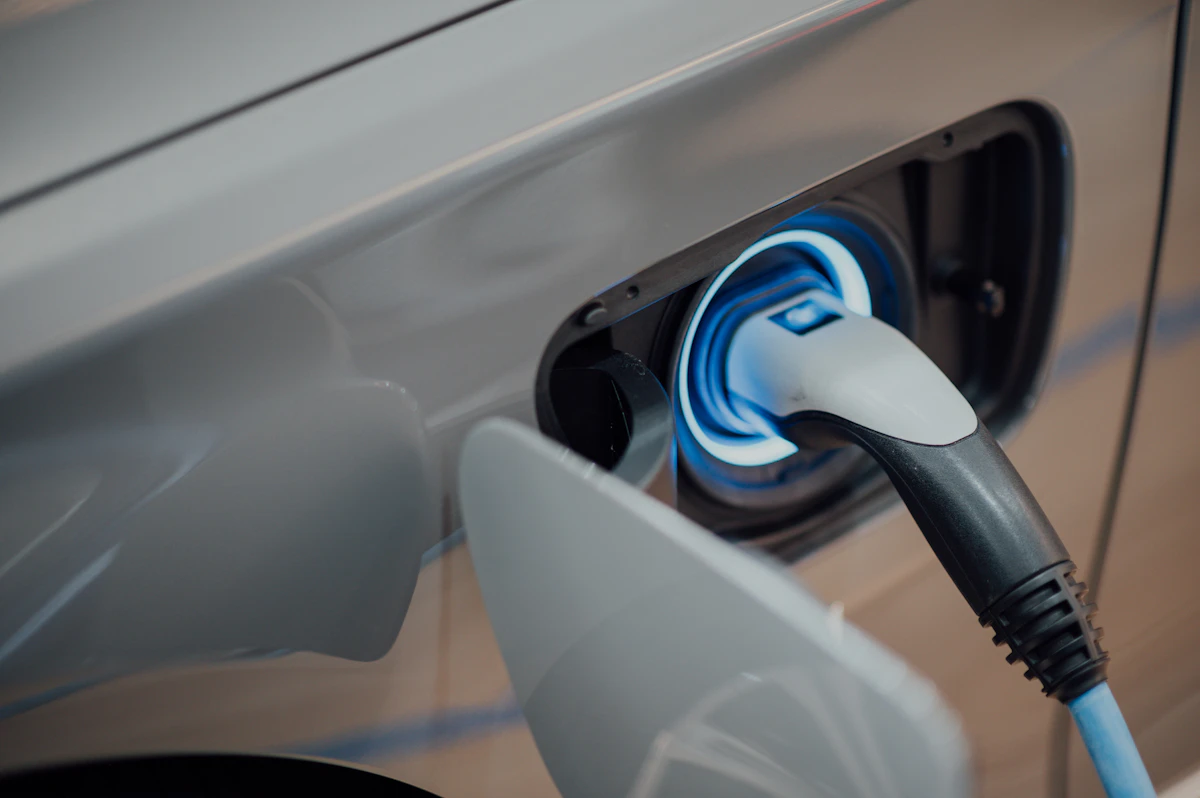
The UK's electric vehicle fleet is growing fast. As of June 2026, there are over 121,000 public EV charging connectors across the country, and the ZEV Mandate requires 80% of new cars sold by 2030 to be zero-emission.
For MOT stations, this means one thing: the vehicles coming through your bay are changing. And so are the recalls.
EV Recalls Work Differently
Traditional vehicle recalls involve a physical fix — a replacement part, a wiring modification, a mechanical adjustment. The customer brings the car in, the dealer fits the part, the recall is closed.
EV recalls can work very differently:
1. Software Over-the-Air (OTA) Updates
Many EV recalls are resolved through software updates pushed remotely — no workshop visit required. Tesla, Polestar, and increasingly BMW and Mercedes now fix certain issues via overnight downloads. The customer wakes up, the car is updated, and they may never know a recall was issued.
Why this matters for MOT stations: A vehicle may have an active recall that the owner is completely unaware of. If the recall hasn't been pushed (or the owner hasn't accepted the update), the issue remains live. Checking recall status during an MOT isn't just good practice — it may reveal safety issues the owner didn't know existed.
2. Battery-Related Recalls
The most serious EV recalls involve the high-voltage battery pack. These can include thermal runaway risk (battery fire potential), cell degradation beyond acceptable thresholds, and charging system faults that could lead to overheating.
Battery recalls are typically handled by dealerships or authorised service centres — not independent MOT stations. But the MOT station is often the first point of contact where a customer learns their EV has an outstanding recall. Being able to flag this builds trust and demonstrates value beyond the MOT itself.
3. Charging System Recalls
Faults in onboard chargers, charging ports, or related electronics can trigger recalls. These may not affect roadworthiness directly but can prevent the vehicle from being charged safely — which is just as critical for an EV.
The Numbers Are Growing
As the UK EV fleet ages and expands, recall volumes are increasing. Key factors:
- •New manufacturers entering the UK market (particularly Chinese brands) with less-established quality control
- •First-generation EVs reaching 5+ years old with battery and electronic issues emerging after warranty
- •Regulatory scrutiny intensifying as the DVSA applies the same recall framework to EVs as ICE vehicles
For MOT stations, this means the proportion of vehicles with outstanding EV-specific recalls will only grow.
How MOT Stations Should Handle EV Recalls
Check Every Vehicle — ICE or EV
Every vehicle through your station should be checked for outstanding recalls. For ICE vehicles, this is a DVSA recall check. For EVs, it's the same framework — but the recall types and safety implications are different.
RecallIQ automates this process: every vehicle checked through your MOT station is automatically screened against the DVSA recall database, and the owner is notified if anything is outstanding.
Explain the Difference to Customers
When you flag an EV recall, the customer's first question will be: "Is it safe to drive?"
The honest answer is: it depends on the recall category. DVSA recall categories range from safety-critical (do not drive) to precautionary (schedule at convenience). For EV-specific recalls:
- •Software/OTA recalls are often precautionary but should be actioned promptly
- •Battery recalls are potentially safety-critical and should be referred to dealership immediately
- •Charging system recalls may affect safe charging but not driving
Being able to explain this clearly positions your MOT station as a knowledgeable, trustworthy partner — not just a test centre.
Document Everything
If you identify an outstanding recall on a vehicle you're MOT testing, document it:
- •Note the recall reference on the MOT advisory
- •Record that you notified the customer
- •Keep a copy for your own records
This protects you, your customer, and your business.
The Google Review Opportunity
Here's where it gets interesting for your business. When you flag a recall that the customer didn't know about — especially a safety-related one — you've just provided genuine value beyond the MOT test itself.
A customer who learns their EV has a battery fire risk recall, flagged by their local MOT station, is a customer who:
- •Trusts your station
- •Returns for their next MOT
- •Tells their friends
- •Leaves a Google Review
RecallIQ includes automated Google Review requests after every MOT. When a recall is identified and the customer is notified, the review request timing is optimised to capture that moment of gratitude — turning a safety alert into a five-star review.
What's Coming Next
The EV landscape will continue to evolve:
- •eVED (Electric Vehicle Excise Duty) arrives April 2028 at 3p/mile for EVs
- •ZEV Mandate targets increase toward 100% by 2035
- •More high-mileage ex-fleet EVs enter the MOT pipeline
- •Battery degradation data is becoming available for future recall categories
MOT stations that adapt to the EV transition now — by understanding EV-specific recalls, communicating clearly with customers, and using tools like RecallIQ to automate the process — will be the ones that thrive as the market shifts.
Automate EV Recall Checks at Your MOT Station
Every vehicle screened against the DVSA recall database. Automatic customer alerts. Automated Google Reviews.
Get Started with RecallIQAEO: £79/month — flat
RecallIQ is an independent service and is not affiliated with or endorsed by the DVSA, DVLA, or any vehicle manufacturer. ICO registered (CSN6229048).